Garments sewn, cartons ready, shipping booked – and the sewing line is waiting for size labels. It happens more often than it should, and it is rarely the loom that causes it. This planner shows where label lead time actually goes and how to keep labels well clear of your launch date.
We manufacture labels in our own facility in Bulgaria, so we see the full timeline from the first email to the delivered carton. The pattern is consistent: brands that plan two or three decisions early receive their labels days or weeks sooner.
Where the days go
Think of label lead time as two halves. The first half happens before production and is largely in your hands. The second half is production and transport, which we plan.
Before production: the controllable half
Usable artwork. A vector logo with outlined fonts, final dimensions and Pantone references can go straight to proof. A screenshot or a low-resolution JPG needs redrawing first. Our design team will do that, but sending vectors on day one removes a step.
Proof sign-off. Our designers typically return a digital proof within 24–48 hours. The slow part is often internal: a proof circulating between three colleagues for a week adds a week to delivery. Name one person who approves, and send corrections in a single reply.
Samples. A physical sample is worth it for a new design, an unfamiliar material or a colour that must match fabric. For a straight repeat it can usually be skipped.
Complete data. Care labels cannot be finalised until fabrics are confirmed, and size labels need the full size run. Missing composition data is one of the most common reasons care labels arrive late.
Production and delivery: the planned half
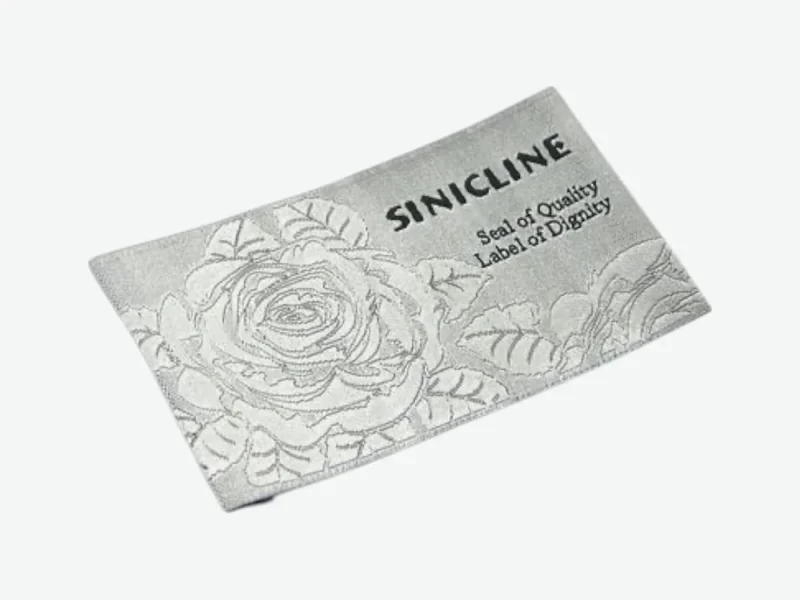
Machine scheduling. Woven labels run on jacquard looms, printed labels on label presses, silicone and leather labels on their own tooling. An approved order takes the next free slot on its line, so early approval means early scheduling. Before the spring/summer and autumn/winter peaks this matters most.
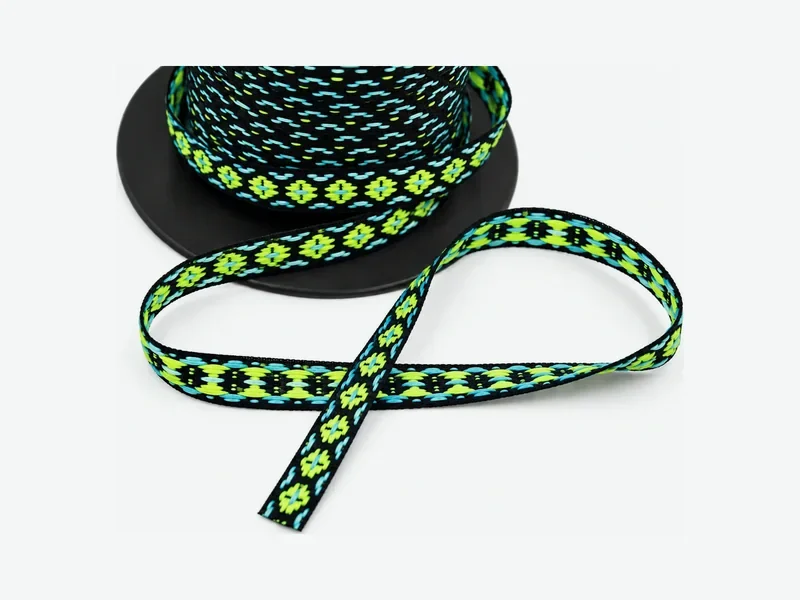
Material availability. Standard yarns, satin and cotton tapes and common boards are normally in stock. An unusual tape width, metallic yarn or special board may need a supplier delivery. If speed is critical, ask which close alternative is on the shelf.
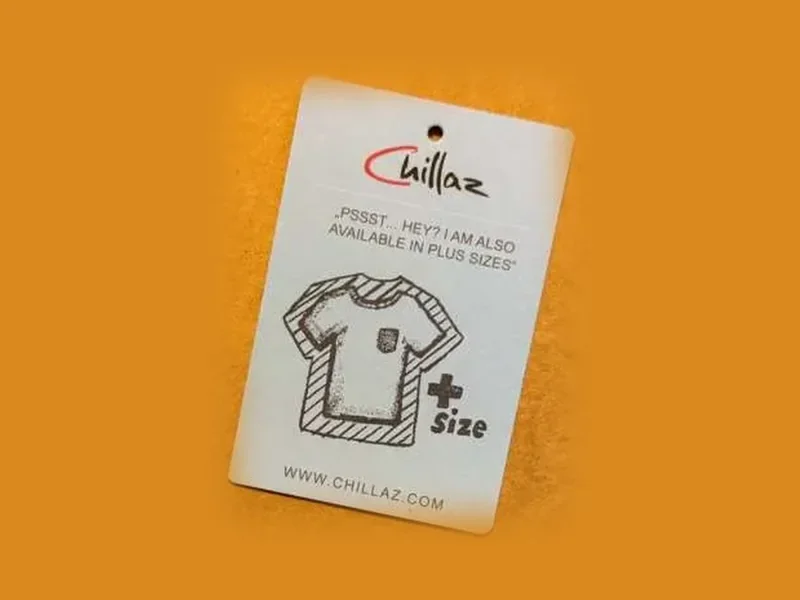
Finishing. Ultrasonic cutting, folds, iron-on backing, stringing hang tags and packing per size all take handling time. Labels on rolls for automatic sewing lines are often quicker than individually folded and counted pieces.
Transport. Within the EU a delivery is an ordinary courier shipment with no customs clearance, which keeps the last step predictable.
A realistic timeline
| Stage | Typical time | How to shorten it |
|---|---|---|
| Artwork check and digital proof | 24–48 hours | Send vectors, sizes and Pantone references together |
| Approval | Depends on your team | One decision-maker, one round of comments |
| Physical sample (optional) | Several working days plus transit | Skip it for repeats |
| Production | 10–20 working days after approval | In-stock materials, standard folds, roll delivery |
| EU courier delivery | Typically 1–5 working days | Full address and contact name on the order |
Neighbouring countries are usually reached in a day or two; more distant EU destinations take a few working days.
When the date cannot move
Mention the deadline in your very first message. We then check what is realistic before you commit. Depending on the job, options include priority scheduling, a split delivery with a first batch sent early, swapping to an in-stock material or a faster courier service. Each urgent order is assessed individually.
A practical trick: separate the labels by urgency. The main brand label might be needed on day one of sewing, while care labels and size labels with many variants can follow a few days later.
Plan backwards from the sewing date
- Fix label type, size, fold and material when the tech pack is finalised, not when sewing begins. Our label size guide helps.
- Collect composition and care data as soon as fabrics are confirmed.
- Order size labels for the entire run, with a small reserve on the fast-moving sizes.
- Aim for labels to arrive at least a week before sewing starts.
- For repeats, quote the previous order reference so no new proof cycle is needed.
Ordering close to demand
Short, reliable delivery inside the EU means you do not have to buy a year of labels at once. You can order per production run and adjust artwork between seasons. Minimums are low per design – ask us for your specific label type.
What to include in your enquiry
- Vector logo or a clear sketch
- Label type, approximate size and fold
- Quantity per design and per size
- Delivery country and the date you need the labels
- Whether you want a physical sample
- Composition and languages for care labels
Tell us your date and quantities at [email protected] or on WhatsApp and Viber at +359 876 766 050, and we will reply with a schedule you can plan around.
What is a typical production time for clothing labels?
Production typically takes 10–20 working days after the proof or sample is approved, followed by courier delivery within the EU.
Can an urgent order be prioritised?
Often, yes. Tell us the deadline at the start and we will check options such as priority scheduling, split deliveries or in-stock materials.
Are there customs formalities on labels shipped from Bulgaria?
Not for deliveries within the EU. Bulgaria is part of the single market, so labels travel as a normal courier shipment.
Is a physical sample always necessary?
No. It is recommended for new designs and colour-critical work, but repeat orders can usually go straight to production.